

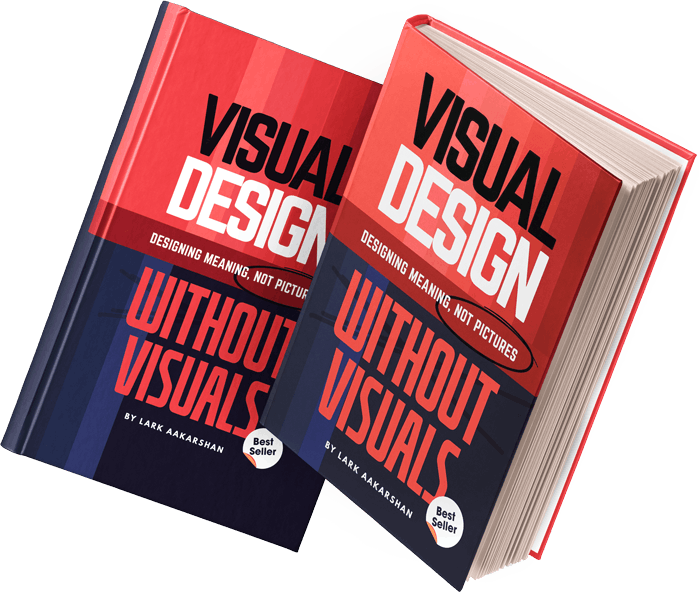
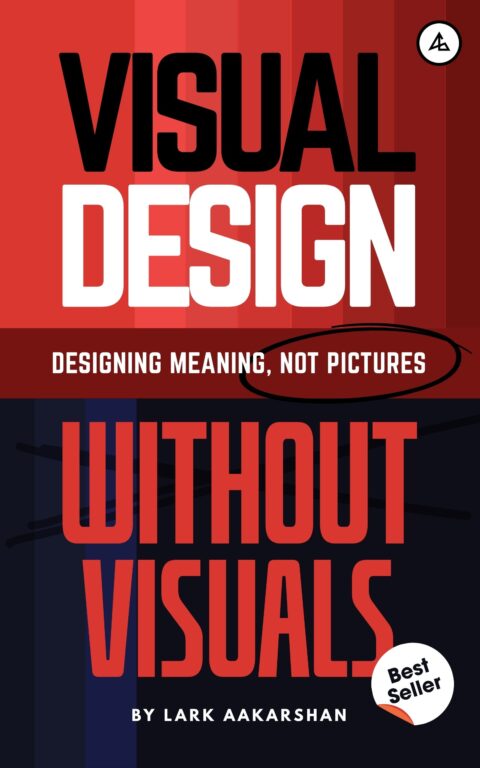
Visual Design Without Visuals: Designing Meaning, Not Pictures
It is a book about how meaning is decided before anything is seen.
Most design books rely on images to persuade. Screenshots, examples, references that make agreement easy and thinking optional. This book removes that shortcut.
Instead, it focuses on the invisible work of design:
intent, perception, hierarchy, constraint, and judgment.
Written from the perspective of a senior visual communication designer, this book explores what actually shapes successful design long before color, typography, or layout appear. It examines why good-looking work still fails, why feedback becomes vague, and why refinement often makes things worse instead of clearer.
Visual Design Without Visuals argues that designers do not design objects — they design perception.
Through calm, reflective chapters, the book reframes design as a cognitive and interpretive act rather than a visual one. It is not a manual, a toolkit, or a trend report. There are no screenshots, templates, or formulas. What it offers instead is language for thinking more clearly about design decisions that usually go unnamed.
This book is written for designers who already know how to make things look good — and want to understand why that is no longer enough.
You will find this book valuable if you are:
A visual, product, or communication designer working at a senior level
An art director or design lead moving away from screens and toward decisions
A designer frustrated by “good-looking” work that still doesn’t work
Someone interested in perception, meaning, and judgment over tools and trends
This is a book to read slowly.
To revisit.
To recognize familiar problems more clearly.
Visuals return eventually.
They just no longer carry the weight alone.
Reader Impressions





About Lark Aakarshan
His work focuses on the intersection of design judgment, meaning, and long-term clarity, often before anything becomes visible.
In 2013, Lark co-founded The AntiAlias Ventures, an award-winning strategy and design practice that helps leaders and their organizations explore, learn, and grow.
His clients include a variety of Fortune 500 companies (Samsung, AMD, BBC, ITC, Orient, Cremica, DLF, Maersk) and organisations including the United Nations, the Estonian Embassy Council American Embassy School and some of the world's most progressive start-ups.
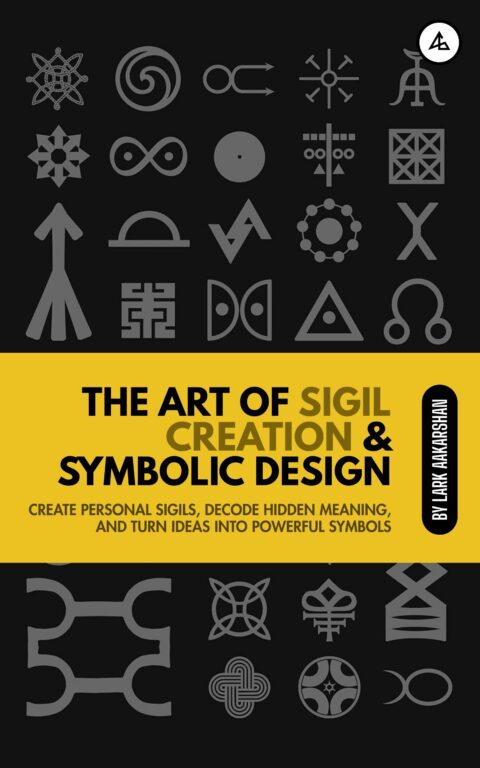
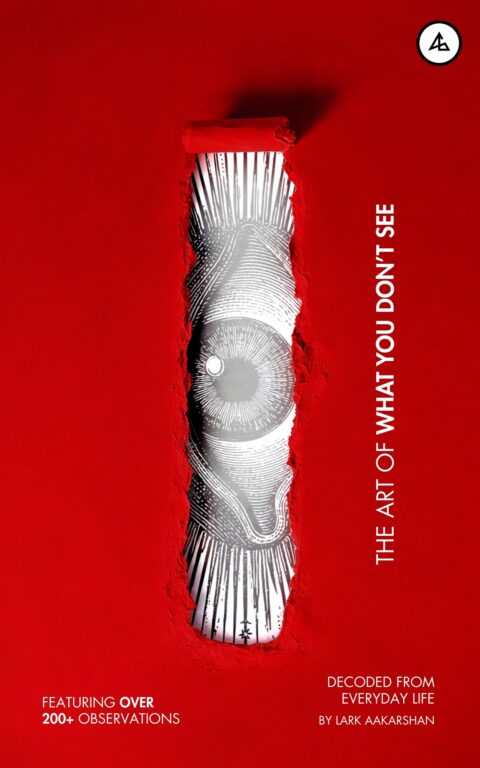
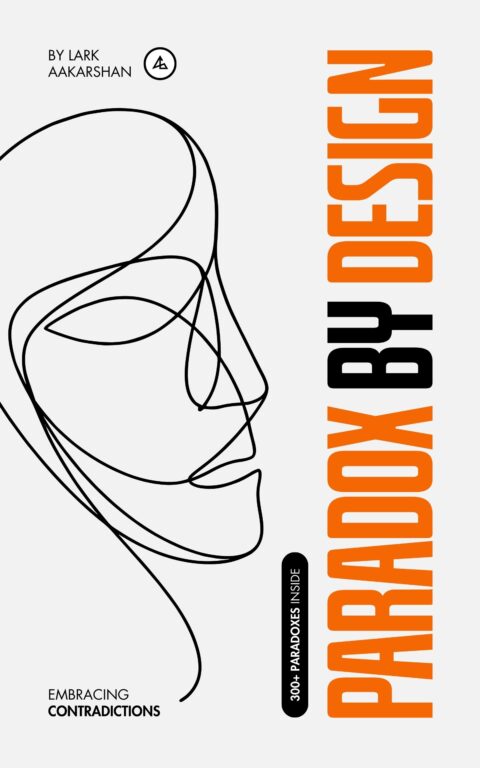
He is the author of over ten books exploring design, perception, systems, and self-discovery, including Designed to Disappear, Paradox by Design, I Love Chaos, The Art of What You Don’t See, Visual Design Without Visuals, Diary of a Designer and The Signerika. His work focuses on the invisible structures that shape how meaning, behavior, and experience are formed.
Alongside this, Lark has served as a board member and advisor to multiple organizations and startups, contributing at the level of strategy, systems thinking, and decision-making rather than surface execution. His role often involves helping teams clarify intent, establish constraints, and build durable design systems that outlast individual projects.
Lark is a writer and lecturer, and previously served as a visiting faculty member at Pearl Academy of Design, where he taught Product Interface Design and developed his Applied Empathy curriculum. His teaching emphasized perception, responsibility, and restraint as core design skills.
His works has been also featured on National Geographic and BBC Publications.
In parallel with his commercial work, Lark maintains a private practice under Fragmant, where he explores what he describes as design conjuring - a reflective, symbolic approach to meaning-making and creative practice. He also leads workshops focused on integrating these traditions into contemporary life and work.
He continues to work globally with founders, product leaders, and senior teams. His practice spans digital platforms, brand systems, interfaces, and emerging workflows, including experimental approaches such as vibe coding and AI-assisted design.