
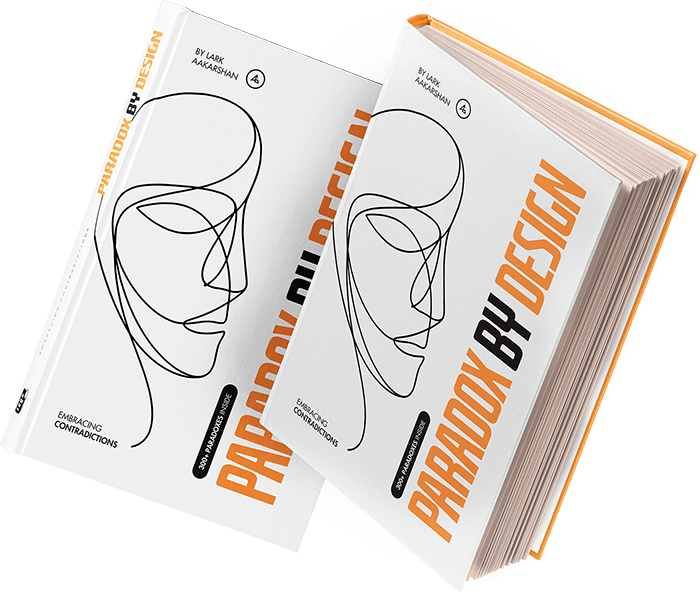
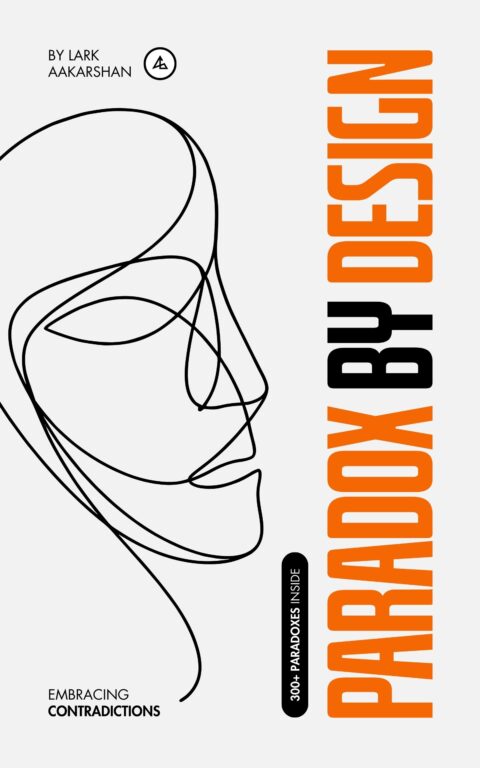
Paradox by Design
It’s showing you why the world refuses to be explained.
Every day, you live inside contradictions you barely notice.
You want freedom, yet crave structure.
You seek certainty, yet distrust absolutes.
You chase progress, yet feel nostalgia pulling you back.
These are not flaws.
They are paradoxes — quietly shaping how you think, choose, design, believe, and exist.
Paradox by Design is a curated exploration of over 300 paradoxes that reveal how contradiction isn’t an error in the system — it is the system.
What’s inside this book
Each page presents a single paradox.
Some are subtle.
Some are uncomfortable.
Some feel obvious only after you’ve seen them.
Together, they map the invisible tensions behind:
– Identity and selfhood
– Relationships, attachment, and intimacy
– Success, failure, and recognition
– Control, freedom, and safety
– Money, value, and invisible trade-offs
– Belonging, status, and quiet hierarchies
– Meaning, pressure, and purpose
There are no instructions.
No conclusions forced on you.
No “right” interpretations handed down.
This book doesn’t tell you what to think.
It sharpens your ability to notice.
This is not:
A self-help manual
A philosophy textbook
A rulebook or framework
A list of answers
This is:
A tool for perception
A mirror for modern thinking
A designed experience meant to be entered anywhere, at any point
An invitation to sit with contradiction instead of resolving it too quickly
You can open this book at random.
You can read one page or fifty.
Each paradox stands alone — and quietly rearranges how the others are understood.
Why this book feels different
The design is intentional.
The language is minimal.
The structure resists linear reading.
Like paradox itself, the book works best when you stop trying to “finish” it.
If you are drawn to books that make you pause instead of agree,
if you enjoy thinking without being told what to conclude,
if you sense that clarity often hides complexity rather than revealing it—
Paradox by Design: Embracing Contradictions was made for you.
Reader Impressions


About Lark Aakarshan
His work focuses on the intersection of design judgment, meaning, and long-term clarity, often before anything becomes visible.
In 2013, Lark co-founded The AntiAlias Ventures, an award-winning strategy and design practice that helps leaders and their organizations explore, learn, and grow.
His clients include a variety of Fortune 500 companies (Samsung, AMD, BBC, ITC, Orient, Cremica, DLF, Maersk) and organisations including the United Nations, the Estonian Embassy Council American Embassy School and some of the world's most progressive start-ups.
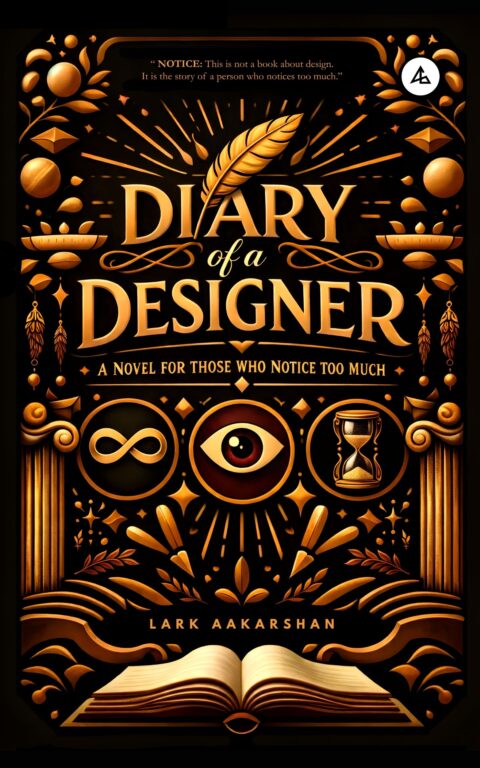
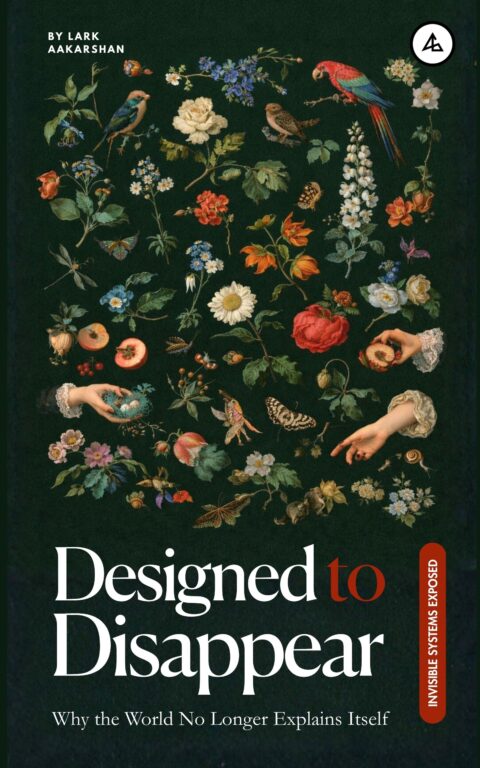
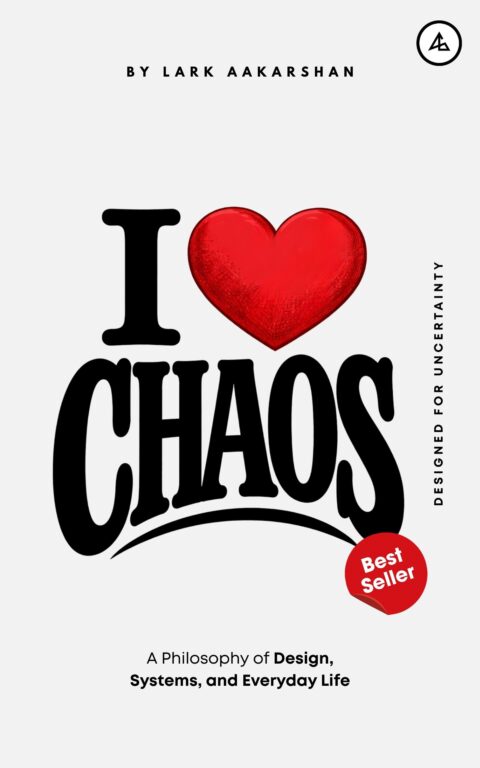
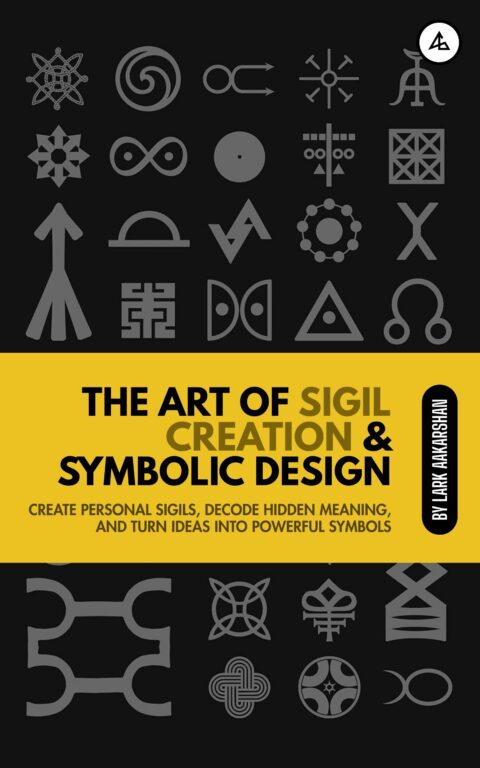
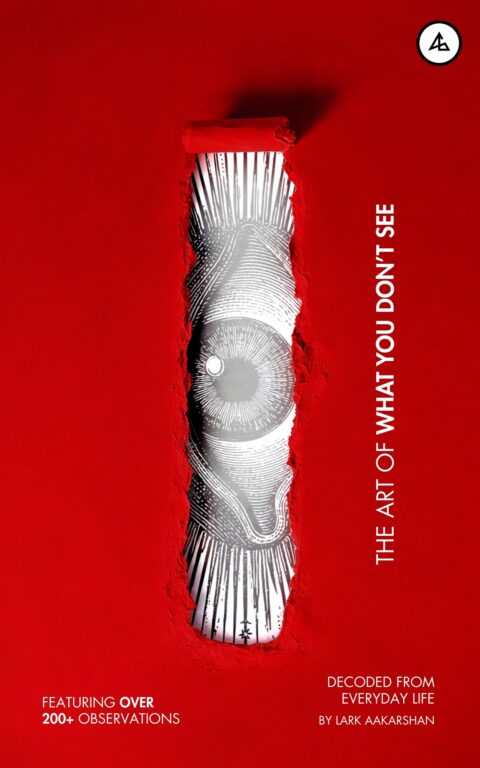
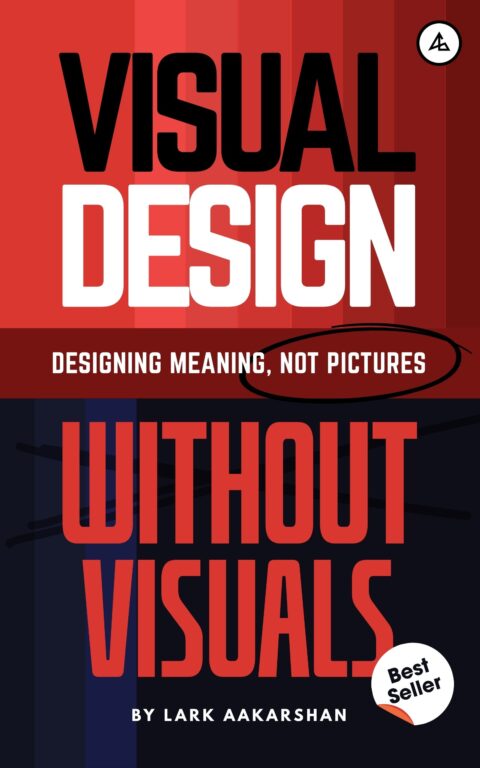
He is the author of over ten books exploring design, perception, systems, and self-discovery, including Designed to Disappear, Paradox by Design, I Love Chaos, The Art of What You Don’t See, Visual Design Without Visuals, Diary of a Designer and The Signerika. His work focuses on the invisible structures that shape how meaning, behavior, and experience are formed.
Alongside this, Lark has served as a board member and advisor to multiple organizations and startups, contributing at the level of strategy, systems thinking, and decision-making rather than surface execution. His role often involves helping teams clarify intent, establish constraints, and build durable design systems that outlast individual projects.
Lark is a writer and lecturer, and previously served as a visiting faculty member at Pearl Academy of Design, where he taught Product Interface Design and developed his Applied Empathy curriculum. His teaching emphasized perception, responsibility, and restraint as core design skills.
His works has been also featured on National Geographic and BBC Publications.
In parallel with his commercial work, Lark maintains a private practice under Fragmant, where he explores what he describes as design conjuring - a reflective, symbolic approach to meaning-making and creative practice. He also leads workshops focused on integrating these traditions into contemporary life and work.
He continues to work globally with founders, product leaders, and senior teams. His practice spans digital platforms, brand systems, interfaces, and emerging workflows, including experimental approaches such as vibe coding and AI-assisted design.