
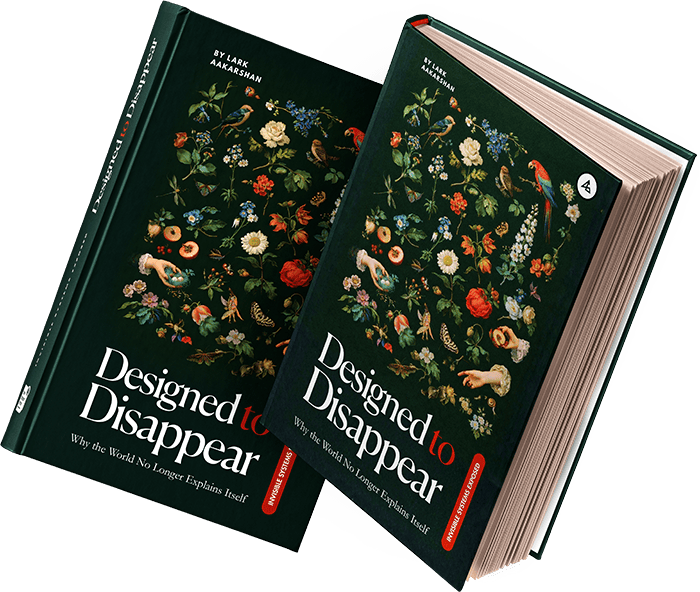
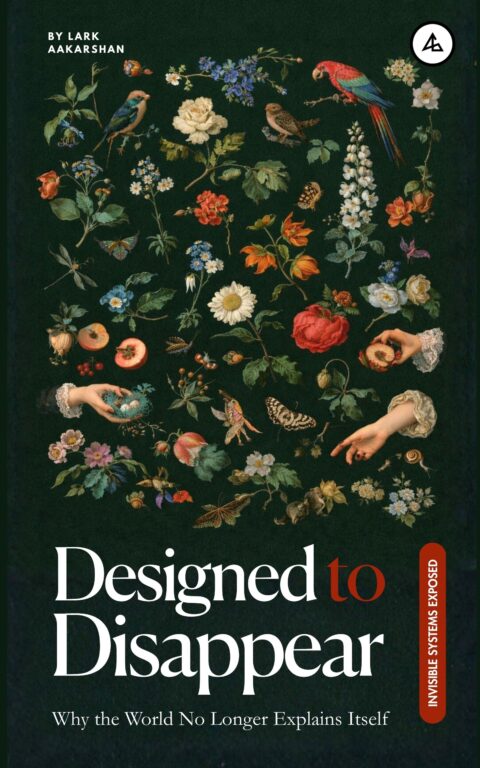
Designed to Disappear: Why the World No Longer Explains Itself
.
You move through systems you didn’t design.
You trust processes you can’t see.
You adapt to decisions you never watched being made.
Everything works.
Very little explains itself.
Designed to Disappear is a book about that quiet shift.
It explores what happens when explanation fades but function remains —
when understanding becomes optional,
and fluency quietly takes its place.
This is not a manual.
It does not offer steps, frameworks, or solutions.
It does not promise clarity or control.
Instead, the book observes how modern life reorganizes itself around ease:
why not knowing no longer feels urgent
how curiosity becomes inconvenient
what happens when responsibility diffuses
why understanding stops feeling like agency
how people adapt without fully noticing what they’ve adapted to
Written as a series of short reflections and longer inquiries, this book is designed to be entered anywhere, read slowly, and revisited when something familiar begins to feel slightly off.
Who this book is for
This book is for readers who:
sense that things “work” without fully making sense
are curious about systems, decisions, and invisible structure
prefer observation over instruction
are less interested in answers than orientation
If you’ve enjoyed books like The Design of Everyday Things, The Art of Looking Sideways, or reflective works on systems and perception, this book will feel familiar — and quietly unsettling.
How this book fits within a larger body of work
Designed to Disappear provides the broader orientation for a set of works that approach the same condition from different angles.
Related explorations appear in:
The Art of What You Don’t See
I Love Chaos
Paradox by Design
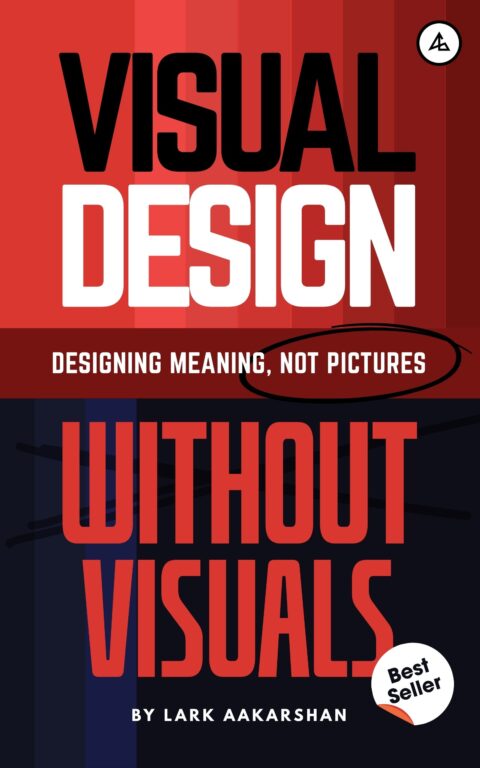
Visual Design Without Visuals
Signerika
Each can be read independently.
Together, they map different ways meaning, systems, and perception shape everyday life.
This book does not try to explain the world.
It helps you notice what you are already living inside.
Reader Impressions


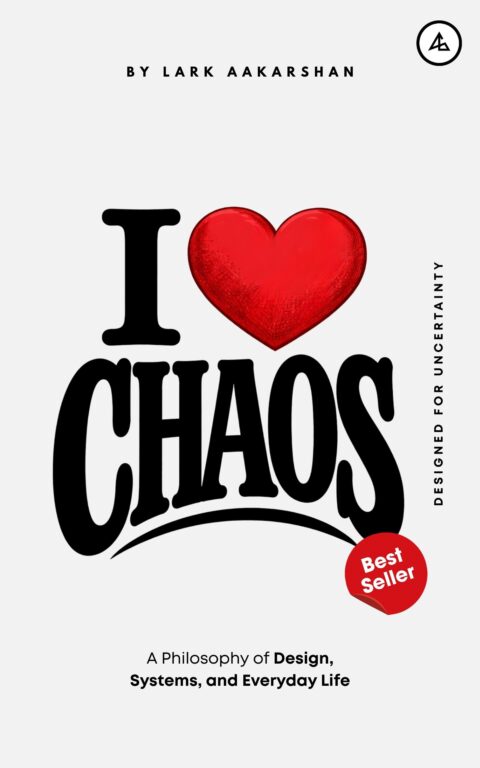
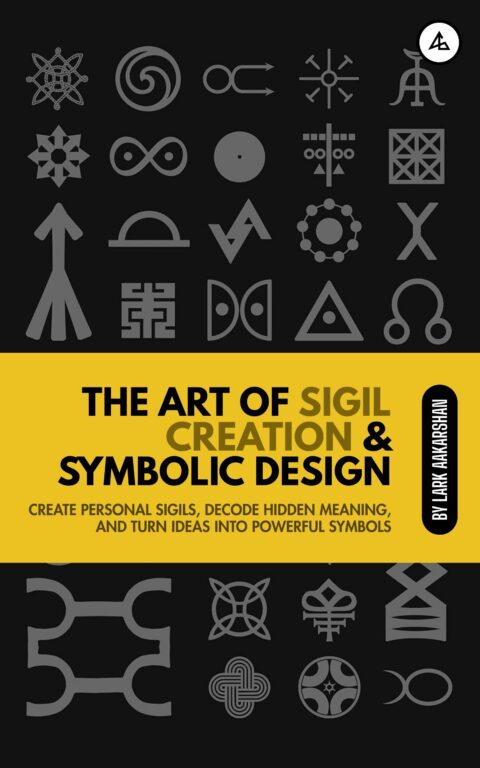
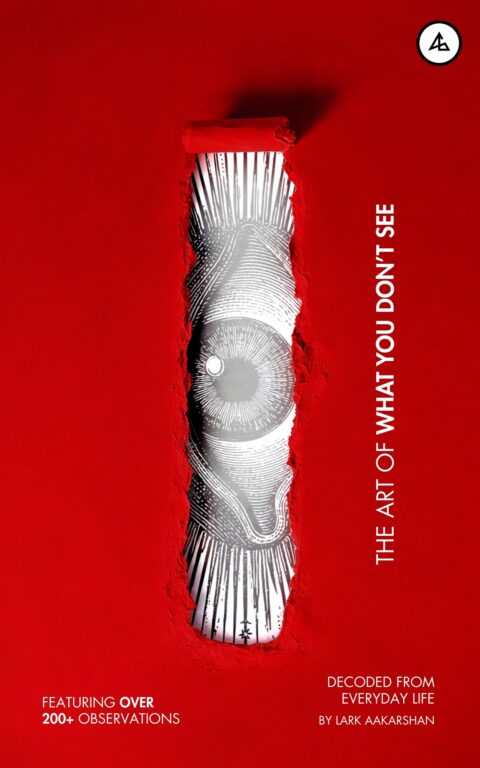
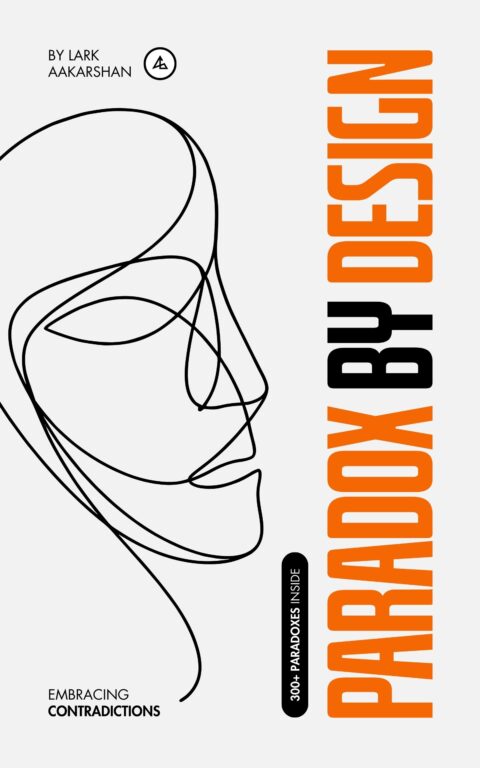
About Lark Aakarshan
His work focuses on the intersection of design judgment, meaning, and long-term clarity, often before anything becomes visible.
In 2013, Lark co-founded The AntiAlias Ventures, an award-winning strategy and design practice that helps leaders and their organizations explore, learn, and grow.
His clients include a variety of Fortune 500 companies (Samsung, AMD, BBC, ITC, Orient, Cremica, DLF, Maersk) and organisations including the United Nations, the Estonian Embassy Council American Embassy School and some of the world's most progressive start-ups.
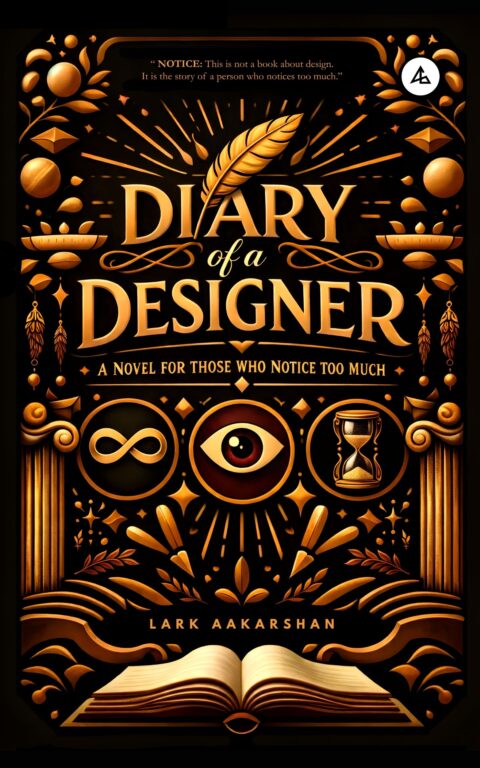
He is the author of over ten books exploring design, perception, systems, and self-discovery, including Designed to Disappear, Paradox by Design, I Love Chaos, The Art of What You Don’t See, Visual Design Without Visuals, Diary of a Designer and The Signerika. His work focuses on the invisible structures that shape how meaning, behavior, and experience are formed.
Alongside this, Lark has served as a board member and advisor to multiple organizations and startups, contributing at the level of strategy, systems thinking, and decision-making rather than surface execution. His role often involves helping teams clarify intent, establish constraints, and build durable design systems that outlast individual projects.
Lark is a writer and lecturer, and previously served as a visiting faculty member at Pearl Academy of Design, where he taught Product Interface Design and developed his Applied Empathy curriculum. His teaching emphasized perception, responsibility, and restraint as core design skills.
His works has been also featured on National Geographic and BBC Publications.
In parallel with his commercial work, Lark maintains a private practice under Fragmant, where he explores what he describes as design conjuring - a reflective, symbolic approach to meaning-making and creative practice. He also leads workshops focused on integrating these traditions into contemporary life and work.
He continues to work globally with founders, product leaders, and senior teams. His practice spans digital platforms, brand systems, interfaces, and emerging workflows, including experimental approaches such as vibe coding and AI-assisted design.